





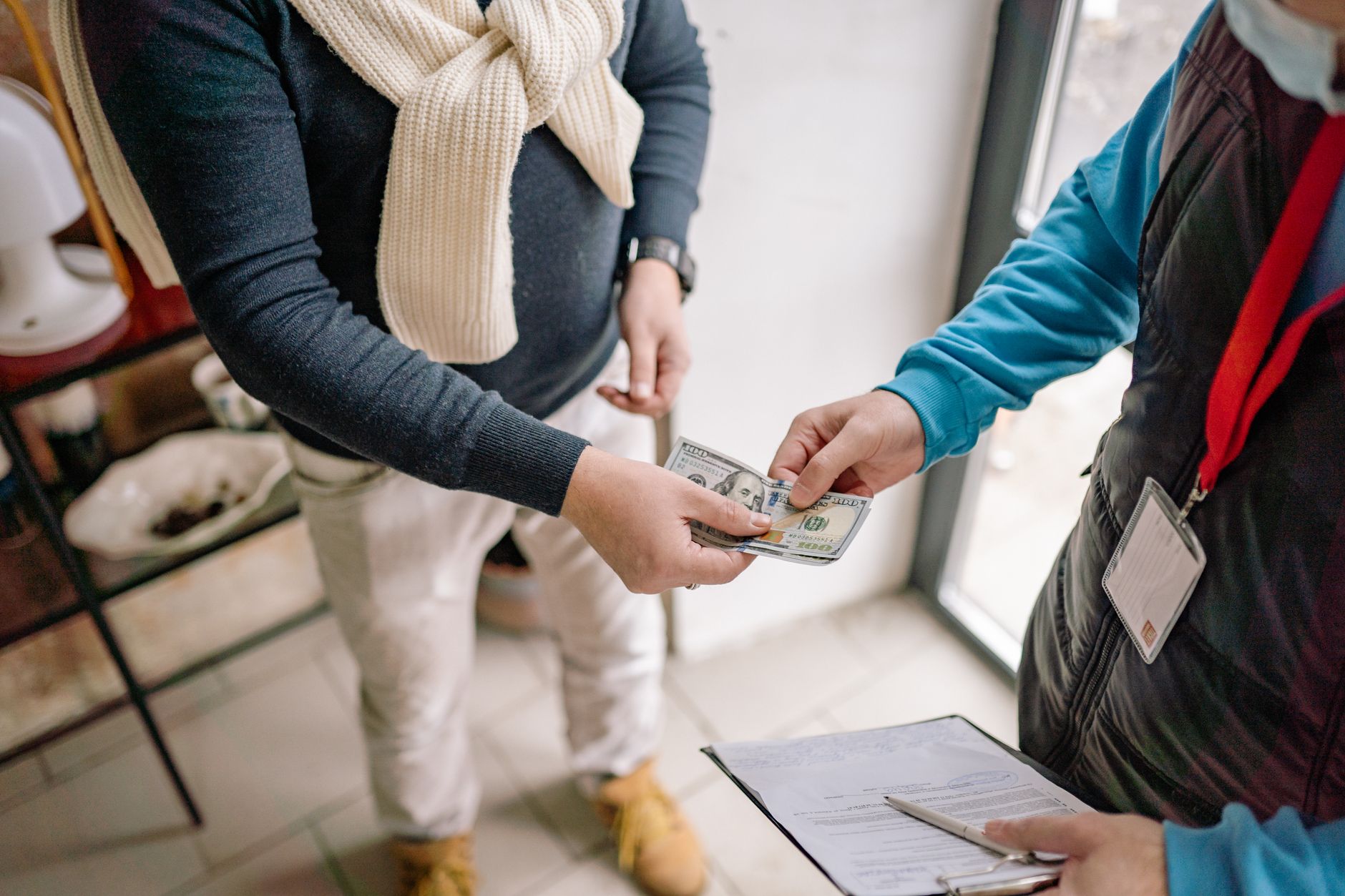
Zomato cash on delivery is now subject to a Rs 5 charge, marking a significant shift in their monetisation strategy. This change has sparked discussions among users and industry experts alike.
What prompted Zomato’s new charge?
Recently, Zomato introduced a new charge of Rs 5 for cash on delivery orders, sparking a debate among users and industry experts alike. This decision appears to be part of a broader strategy to enhance monetisation efforts amidst rising operational costs.
Several factors prompted Zomato to implement the cash on delivery charge:
- Increased operational expenses: Rising fuel prices and delivery costs have significantly impacted the company’s bottom line.
- Encouraging digital payments: By adding a fee for cash transactions, Zomato hopes to nudge users towards cashless payment options, which are easier to manage.
- Market competition: As competitors adopt similar strategies, Zomato aims to maintain its market position through necessary financial adjustments.
While some customers see the charge as a minor inconvenience, others criticize it as a detrimental move for customer loyalty. The question remains whether this Zomato cash on delivery fee will have lasting effects on user satisfaction and overall business growth.
Customer reactions to the Rs 5 fee
Following Zomato’s decision to implement a Rs 5 fee for cash on delivery orders, customer reactions have been mixed, with many expressing frustration over the new charge. Users have taken to social media to voice their concerns, stating that the additional cost diminishes the convenience of using Zomato cash on delivery.
Several customers have pointed out that this move feels like a penalty for those who prefer paying in cash, especially in a country where digital payment methods are still not universally adopted. Among the reactions:
- Disappointment: Many users have expressed their disappointment, suggesting that the fee is unnecessary and should be reconsidered.
- Increased Costs: Some feel that the added charge will deter them from using the service, leading to a potential decline in orders.
- Convenience vs. Cost: Others argue that while they appreciate the convenience of home delivery, the fee could outweigh the benefits of ordering through Zomato.
Overall, the feedback indicates a significant backlash against this monetisation strategy, raising questions about its long-term viability.
Impact on Zomato’s business model
The introduction of a Rs 5 fee for cash on delivery orders by Zomato has sparked discussions about its potential impact on the company’s business model. This move, seen as part of Zomato’s latest monetisation drive, raises questions about customer retention and satisfaction.
As cash on delivery is a popular payment method for many users, the addition of this charge could deter some customers from choosing Zomato over competitors. The implications for Zomato’s market share could be significant if customers perceive the fee as unnecessary.
Furthermore, the shift towards charging for cash on delivery may alter consumer behavior, pushing users to opt for digital payments to avoid additional costs. This could lead to a long-term transformation in Zomato’s revenue structure, impacting not only immediate profits but also customer loyalty.
Ultimately, the success of this monetisation strategy will depend on Zomato’s ability to balance profitability with maintaining a positive relationship with its user base.
Comparing delivery charges in the industry
As food delivery services evolve, understanding the delivery charges across the industry becomes crucial. Zomato’s recent decision to implement a Rs 5 fee for cash on delivery (COD) orders has sparked considerable debate. This move aligns with trends seen in other platforms as they seek to balance operational costs and customer satisfaction.
Here’s a comparison of delivery charges from various industry players:
- Swiggy: Typically charges a delivery fee that can range from Rs 0 to Rs 49, depending on the distance and time of day.
- Domino’s: Charges a standard delivery fee of Rs 49, with occasional discounts for online payments.
- Uber Eats: Implements a variable delivery fee based on distance, which can go up to Rs 75 during peak hours.
While Zomato’s cash on delivery charge might seem minimal, it raises questions about how such fees will affect customer loyalty and overall market competitiveness.
Is this a trend for food delivery services?
The introduction of a cash on delivery charge by Zomato has raised questions about whether this is a trend that other food delivery services might follow. As the competition intensifies, companies are exploring various monetisation strategies to maintain profitability. The move to implement a Rs 5 fee for cash on delivery orders could set a precedent in the industry.
Many food delivery platforms are grappling with rising operational costs and shrinking margins. In response, some are likely to adopt similar practices, especially if they see Zomato’s approach yielding positive results. However, this strategy may not be universally welcomed.
Customers have become accustomed to certain standards in service fees, and any additional charges may lead to dissatisfaction. Experts suggest that while cash on delivery might appeal to a specific demographic, the added fee could deter other users.
As food delivery services continue to innovate and adjust their business models, it remains to be seen if Zomato’s cash on delivery charge is a one-off experiment or a part of a larger trend in the industry.
How will this affect customer loyalty?
The introduction of a Rs 5 fee for cash on delivery orders by Zomato has raised concerns regarding its potential impact on customer loyalty. Many customers view this charge as an unwelcome addition to their food delivery experience. This move might lead to a shift in their purchasing behavior, prompting them to seek alternatives that do not impose such fees.
In an era where convenience is paramount, any extra charges can sour the relationship between a customer and a service provider. Customer loyalty is often built on trust and satisfaction, and the new cash on delivery fee could create friction. Customers may perceive this monetisation strategy as prioritizing profit over service quality.
Moreover, if competitors offer a more customer-friendly approach, Zomato risks losing its market share. The ongoing conversation around delivery charges highlights a critical trend, as consumers increasingly weigh the value of loyalty against the cost of delivery options.
Ultimately, how Zomato navigates this situation will be crucial in determining whether it strengthens or weakens its relationship with its customer base.
Expert opinions on Zomato’s strategy
Experts have mixed feelings about Zomato’s decision to implement a Rs 5 fee for cash on delivery orders. Some industry analysts believe this move is a necessary step towards enhancing revenue streams in a competitive market. Rajesh Gupta, a food service consultant, stated, “While cash on delivery remains popular, the associated costs for Zomato are substantial. This fee could help cover those expenses.”
Conversely, Priya Mehta, an economist specializing in consumer behavior, warns that such charges may alienate budget-conscious customers. “Imposing a fee on cash on delivery could deter users who prefer zero additional costs when ordering food,” she noted. This sentiment echoes wider concerns regarding customer loyalty as Zomato navigates its monetization efforts.
Furthermore, some experts suggest that Zomato’s cash on delivery charge might set a precedent in the food delivery industry. “If other platforms follow suit, consumers may have to rethink their preferences,” added Ajay Sharma, a market analyst. The long-term implications of this strategy remain uncertain.
Future of cash on delivery in India
The future of cash on delivery in India remains uncertain as Zomato’s recent move to introduce a Rs 5 fee for such orders sparks debate among consumers and industry experts alike. While cash on delivery has been a popular payment option for many, especially in tier-2 and tier-3 cities, the new charge may push customers towards digital payment methods.
Several factors will influence the sustainability of cash on delivery in the market:
- Consumer Preferences: A significant portion of the Indian population still prefers cash transactions due to limited access to digital payment options.
- Competition: Other food delivery services may respond to Zomato’s strategy, potentially leading to a shift in market dynamics.
- Technological Adoption: As digital payment solutions become more widespread, cash on delivery may gradually decline in popularity.
- Regulatory Changes: Government initiatives to promote cashless transactions could further impact the viability of cash on delivery services.
Ultimately, the success of Zomato’s cash on delivery charge will depend on how well they navigate these evolving consumer behaviors and market conditions.
Many analysts argue that Zomato cash on delivery could alienate customers who prefer digital payment methods. However, some believe that Zomato cash on delivery might attract a segment of the market that still relies heavily on cash transactions.
Photo by Yan Krukau on Pexels
References
Related reading
RTX 300 adventure motorcycle: Best proven features unveiled · Freight-Demand Platform: Is It the Best Solution for Electric Trucks? · Vinfast VF6 Facelift: The Best Preview of Design Changes