





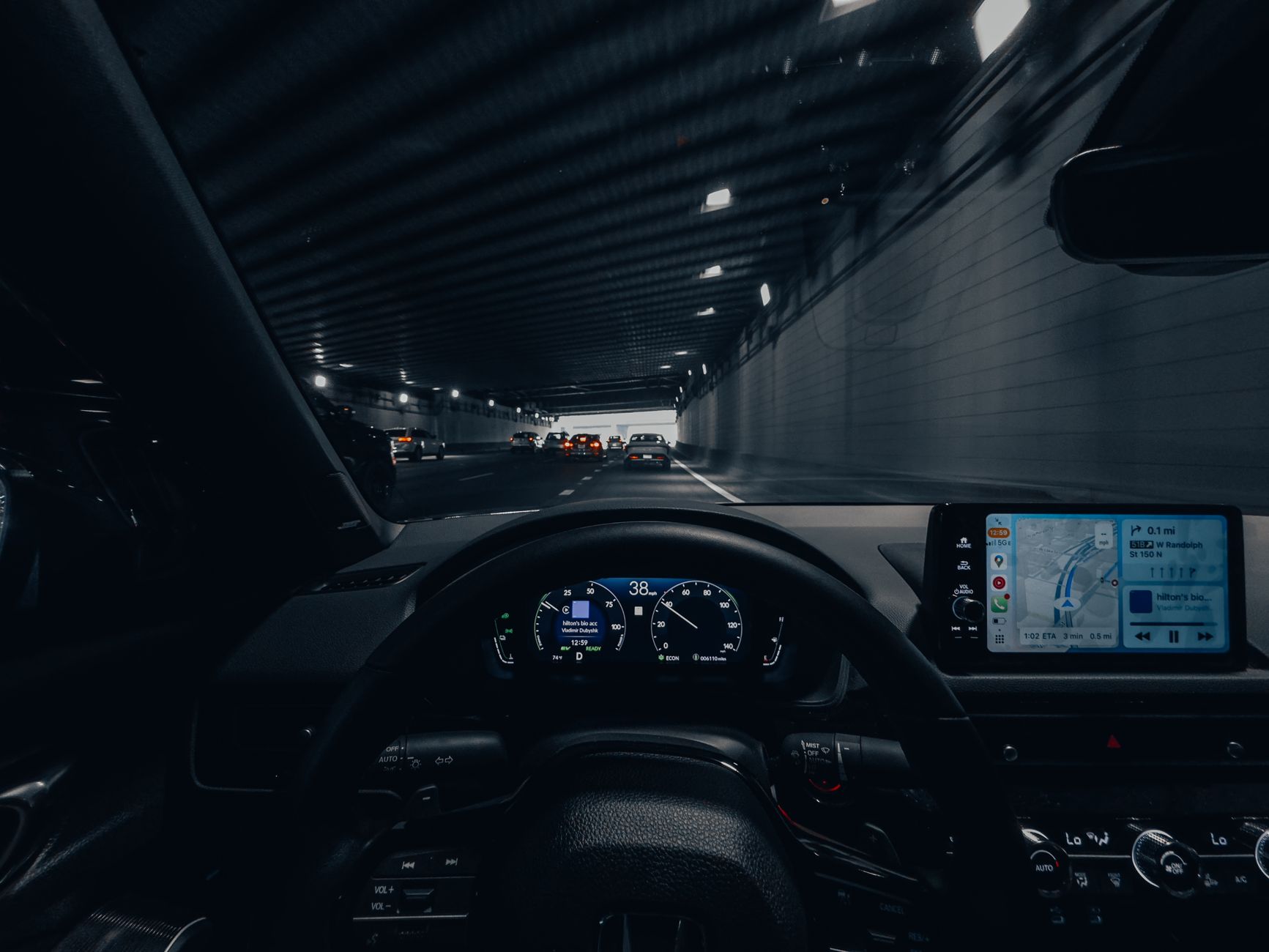
V2X technology India is becoming a reality as Six Sense Mobility aims to lead in this innovative field. The company’s CEO shares insights on their upcoming plans.
What is V2X Technology?
V2X technology, or Vehicle-to-Everything technology, represents a significant advancement in modern mobility by enabling communication between vehicles and their surrounding environment. This encompasses interactions between vehicles (V2V), infrastructure (V2I), pedestrians (V2P), and networks (V2N). The primary goal of V2X technology is to enhance road safety, reduce traffic congestion, and improve the overall efficiency of transportation systems.
In India, the implementation of V2X technology is gaining momentum, with several companies, such as Six Sense Mobility, striving to lead the charge. This technology allows vehicles to share real-time data about traffic conditions, hazards, and even weather changes, providing drivers with critical information that can help prevent accidents and improve navigation.
The benefits of V2X technology extend beyond individual vehicles; it can create smarter urban environments. Some potential advantages include:
- Enhanced Safety: Real-time alerts can significantly reduce the likelihood of collisions.
- Traffic Management: Coordinated traffic signals and routing can alleviate congestion.
- Environmental Impact: Optimized driving patterns can lead to reduced emissions.
As India embraces V2X technology, the landscape of mobility is set to transform, paving the way for smarter, safer roads.
The Importance of V2X in India
The emergence of V2X technology in India is transforming the landscape of modern mobility, offering enhanced communication between vehicles, infrastructure, and pedestrians. This technology plays a pivotal role in addressing the growing challenges of urban congestion and road safety.
V2X technology enables vehicles to exchange real-time information, which is crucial for improving traffic management and reducing accidents. The integration of this technology is essential for the following reasons:
- Safety enhancement: By allowing vehicles to communicate with each other and with traffic signals, V2X technology can alert drivers to potential hazards and prevent collisions.
- Traffic efficiency: With real-time data sharing, V2X can optimize traffic flow, significantly reducing congestion and travel times in busy urban areas.
- Environmental impact: Improved traffic management through V2X can lead to reduced emissions, promoting a greener urban environment.
- Support for autonomous vehicles: As India moves towards embracing autonomous mobility solutions, V2X technology will be crucial in ensuring safe and efficient operations.
Overall, the importance of V2X technology in India cannot be overstated, as it paves the way for smart solutions that enhance mobility, safety, and sustainability for all road users.
How Six Sense Mobility Plans to Lead
Six Sense Mobility is poised to become a trailblazer in the implementation of V2X technology in India. According to the CEO, the company is committed to integrating this cutting-edge technology into the Indian transportation landscape, aiming to enhance road safety and efficiency.
The CEO emphasized the importance of collaboration with various stakeholders, including government bodies, automotive manufacturers, and technology providers. Their strategy includes:
- Public Awareness: Educating the public about the benefits of V2X technology.
- Infrastructure Development: Working alongside local authorities to upgrade infrastructure that supports V2X systems.
- Research and Development: Investing in R&D to create innovative solutions tailored to the unique challenges faced in Indian cities.
By leveraging V2X technology, Six Sense Mobility aims to improve traffic management, reduce accidents, and enhance the overall commuting experience. The company believes that effective implementation can lead to a smarter transport network and contribute significantly to India’s goal of sustainable urban mobility.
With a clear vision and strategic partnerships, Six Sense Mobility is determined to lead the charge in bringing V2X technology to India, setting a precedent for future innovations in the automotive sector.
Benefits of V2X Technology
V2X technology in India presents numerous benefits that can significantly enhance the country’s transportation landscape. By facilitating communication between vehicles and their surroundings, this technology aims to improve safety, efficiency, and overall mobility.
Some key benefits of V2X technology include:
- Increased Safety: V2X technology allows vehicles to share real-time information about road conditions, traffic signals, and potential hazards, reducing the likelihood of accidents.
- Improved Traffic Management: Through constant communication, vehicles can optimize their routes, leading to smoother traffic flow and reduced congestion on urban roads.
- Enhanced Environmental Impact: By minimizing stop-and-go scenarios and promoting efficient driving patterns, V2X technology can contribute to lower emissions and fuel consumption.
- Smart Infrastructure Integration: V2X can seamlessly connect with smart city initiatives, improving public transport systems and making cities more livable.
- Economic Growth: The adoption of V2X technology can stimulate innovation and create jobs in the tech and automotive sectors, further advancing India’s economic development.
By harnessing the potential of V2X technology, India can pave the way for a safer, smarter, and more sustainable future in mobility.
Challenges in Implementing V2X
While V2X technology holds great promise for transforming mobility in India, several challenges hinder its widespread implementation. One major hurdle is the lack of robust infrastructure. Many regions still lack the necessary road sensors and communication networks to support effective V2X communication.
Additionally, interoperability among different vehicle manufacturers poses another significant challenge. Vehicles from various manufacturers must be able to communicate seamlessly to maximize the benefits of V2X technology. This requires standardization of communication protocols, which has yet to be fully established in the Indian market.
Another concern is the investment required for the development and deployment of V2X systems. The initial costs for upgrading infrastructure and equipping vehicles with the necessary technology can be prohibitive for many stakeholders, including government bodies and private enterprises.
Moreover, data privacy and security issues are paramount. As vehicles become more connected, the risk of cyber threats increases. Ensuring that V2X systems are secure from hacking and data breaches is essential for gaining public trust and encouraging adoption.
Finally, public awareness and acceptance of V2X technology are crucial. Educating citizens about its benefits will play a vital role in driving its implementation across India.
Future of Mobility in India
The future of mobility in India is set to transform dramatically with the adoption of V2X technology. This innovative solution promises to enhance road safety, reduce traffic congestion, and improve overall transportation efficiency. As urban areas continue to expand, the need for smart mobility solutions becomes increasingly critical.
V2X technology facilitates communication between vehicles and their surrounding environment, including infrastructure and pedestrians. This connectivity allows for real-time data exchange, enabling smarter decision-making on the road. With advancements in infrastructure and increased investment from companies like Six Sense Mobility, the groundwork for V2X implementation is being laid.
Key components driving the future of mobility in India include:
- Enhanced Traffic Management: Real-time data analytics can lead to optimized traffic flow.
- Improved Safety: Vehicle-to-vehicle communication can help prevent accidents by alerting drivers to potential hazards.
- Environmental Benefits: Reducing idle times and optimizing routes can lower emissions.
- Seamless Integration: V2X technology can work alongside existing smart city initiatives.
As India embraces the digital age, V2X technology stands out as a pivotal factor in realizing smart and sustainable mobility solutions. The commitment to innovation will play a crucial role in shaping a safer and more efficient transportation landscape.
Comparing Global V2X Developments
As the world embraces the revolution of connected vehicles, V2X technology in India is poised to catch up with global advancements. Various countries have made significant strides in implementing Vehicle-to-Everything (V2X) technologies, showcasing the potential benefits and improvements in road safety, traffic efficiency, and environmental sustainability.
In the United States, for instance, federal initiatives have accelerated the deployment of V2X systems, with projects focusing on communication between vehicles and infrastructure, such as traffic lights and road signs. This integration aims to reduce accidents and improve overall traffic flow.
Similarly, European nations are testing V2X applications alongside autonomous vehicles, emphasizing enhanced connectivity and data sharing. Countries like Germany and France are leading the charge, promoting collaborations between automotive manufacturers and tech firms to develop sophisticated V2X solutions.
In Asia, Japan has implemented various smart transportation initiatives that incorporate V2X technology, promoting safer and more efficient urban mobility. Meanwhile, South Korea is investing in advanced communication networks to support its growing smart city initiatives.
As India looks to establish its presence in this rapidly evolving sector, these global developments offer valuable insights and benchmarks for fostering a robust V2X ecosystem.
Expert Opinions on V2X Technology
Industry experts have expressed strong optimism regarding the potential of V2X technology in India. According to Dr. Anil Kumar, a transportation technology researcher, “V2X technology in India will revolutionize how vehicles communicate with each other and with infrastructure, leading to safer and more efficient travel.” He emphasizes that the integration of such technology could significantly reduce traffic congestion and lower accident rates.
In a recent conference, Riya Patel, a mobility solutions analyst, noted that “the successful adoption of V2X technology relies heavily on collaboration between government, industry stakeholders, and technology providers.” She stressed that creating a unified framework for V2X deployment is essential for maximizing its benefits across the nation.
Furthermore, Rajesh Mehta, CEO of an emerging tech firm, highlighted the importance of public awareness and education. “For V2X technology to be effective, drivers and pedestrians need to understand how it works,” he said. “Awareness campaigns will play a crucial role in the technology’s acceptance.”
As India gears up for the implementation of V2X technology, experts believe that these smart solutions could pave the way for a new era of modern mobility, enhancing the overall travel experience for millions.
As urban areas in India continue to expand, the implementation of V2X technology India is becoming crucial for enhancing traffic efficiency and safety. This innovative approach not only connects vehicles with each other but also integrates them with infrastructure, paving the way for smarter mobility solutions.
Photo by Allen Boguslavsky on Pexels
Sources
You might also like
Stellantis Jeep launches India: Best Proven Investment Plans · Stellantis Investment in India: Proven Growth for Auto Industry · Ampere Automotive Experience Centre: A Smart Expansion in Hyderabad