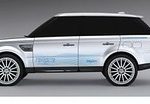

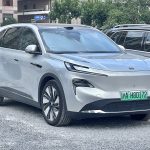
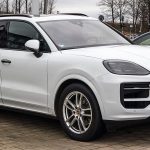

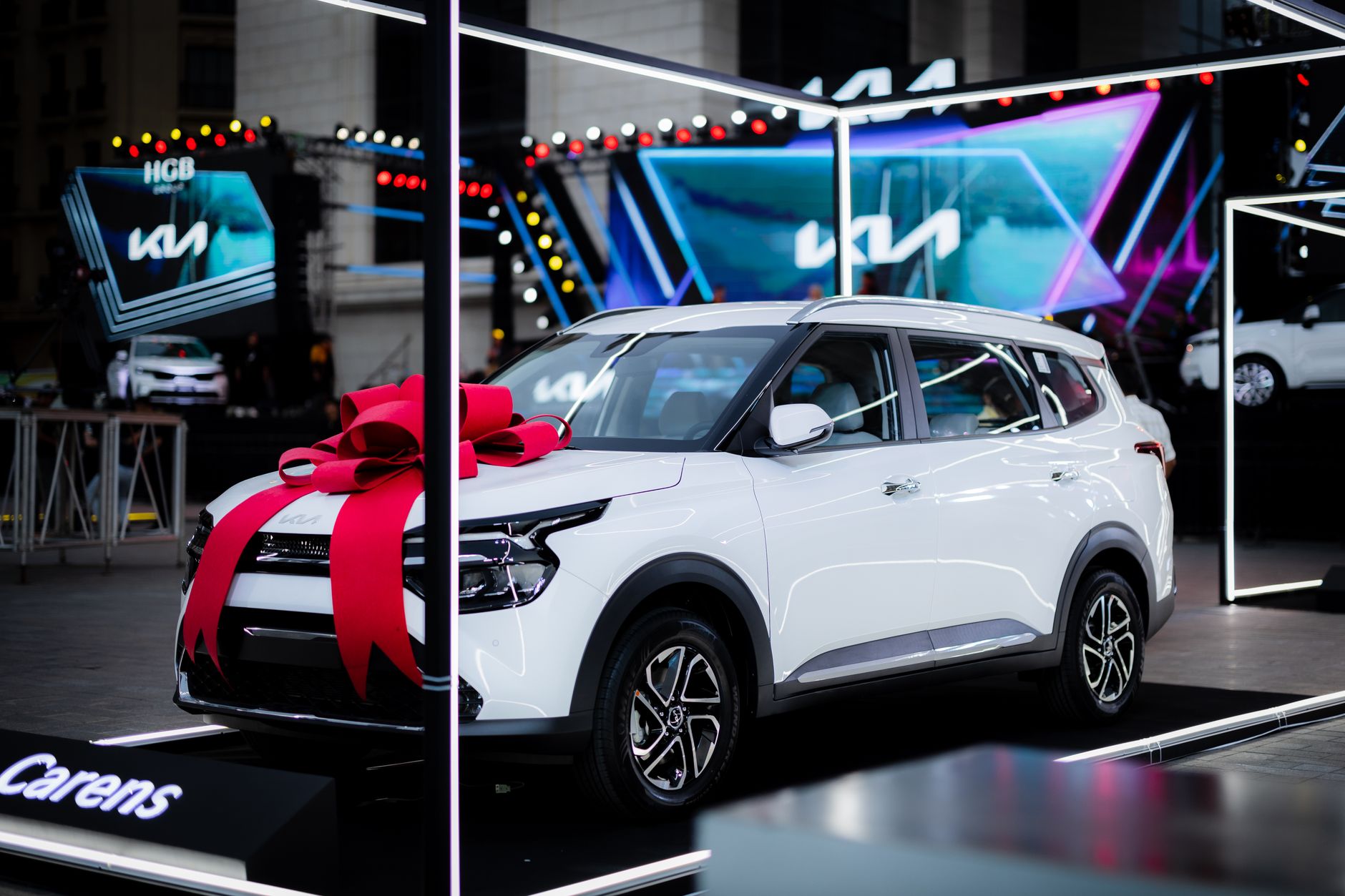
The Saudi EV launch marks a significant milestone for the Kingdom’s automotive industry, as the crown prince unveils Ceer’s first electric vehicles.
Overview of Ceer’s Electric Vehicles
Ceer, a groundbreaking automotive venture in Saudi Arabia, recently unveiled its first lineup of electric vehicles (EVs), marking a significant milestone in the Kingdom’s push to diversify its economy. The launch of Ceer’s Electric Vehicles aligns with Saudi Arabia’s Vision 2030, aimed at reducing dependency on oil and fostering sustainable development.
The initial offerings from Ceer include a range of models designed to cater to various segments of the market. These vehicles are equipped with state-of-the-art technology and are produced in collaboration with global partners, ensuring high standards of quality and performance.
Key features of Ceer’s EVs include:
- Innovative Design: Each model showcases modern aesthetics combined with practicality.
- Advanced Technology: Incorporating cutting-edge tech for enhanced driving experiences.
- Environmental Focus: A commitment to sustainability with zero-emission capabilities.
The Saudi EV launch is not just about introducing new cars; it represents a strategic move to establish the Kingdom as a key player in the global automotive landscape.
Impact of Saudi EV Launch on Local Economy
The recent Saudi EV launch has significant implications for the local economy. As Ceer introduces its first electric vehicles, several economic benefits are anticipated.
Firstly, the initiative is expected to create numerous job opportunities. The automotive sector’s expansion will demand a diverse workforce, ranging from manufacturing to sales and service roles.
Moreover, investment in infrastructure will likely increase. Charging stations and maintenance facilities will need to be developed, stimulating growth in related industries.
Additionally, the Saudi EV launch aims to position the Kingdom as a regional leader in sustainable transportation. This could attract foreign investments and partnerships, enhancing the country’s economic stature.
Furthermore, the push towards electric vehicles aligns with Saudi Arabia’s Vision 2030, which emphasizes economic diversification away from oil dependency. By fostering a domestic EV market, the Kingdom can promote innovation and technological advancement.
In summary, the impact of the Saudi EV launch on the local economy may be profound, potentially leading to job creation, infrastructure investment, and a shift towards a more sustainable economic future.
Challenges Facing Saudi Automotive Industry
The Saudi automotive industry faces several challenges as it seeks to establish a foothold in the burgeoning electric vehicle (EV) market. The recent Saudi EV launch, featuring Ceer’s first electric models, marks a significant step forward, yet obstacles remain.
- Infrastructure Development: A robust charging infrastructure is essential for the widespread adoption of EVs. Currently, the network of charging stations in Saudi Arabia is limited, which could deter potential buyers.
- Market Competition: The global EV market is dominated by established players such as Tesla and traditional automakers transitioning to electric. Ceer must differentiate itself to capture consumer interest.
- Consumer Awareness: Many potential customers may still be unaware of the benefits of electric vehicles, such as lower operating costs and reduced emissions. Education and marketing efforts are crucial.
- Supply Chain Issues: The production of EVs requires a reliable supply of components, particularly batteries. Establishing local production capabilities will be vital for Ceer’s success.
As the industry grapples with these challenges, the outcome of the Saudi EV launch will significantly influence the future landscape of the Kingdom’s automotive sector.
Comparing Ceer to Global EV Brands
As the Saudi EV launch unfolds, comparisons to established global brands become inevitable. Ceer, the Kingdom’s ambitious electric vehicle initiative, aims to carve out a niche in a competitive market dominated by well-known manufacturers.
While Ceer is positioned to capitalize on local manufacturing and the growing demand for sustainable transport, it faces several challenges. The following aspects highlight the contrasts between Ceer and other EV brands:
- Technology and Innovation: Global brands like Tesla and Nissan have years of experience in EV technology, which gives them a significant edge in performance and efficiency.
- Market Reach: Established companies benefit from a broad international presence, whereas Ceer is primarily focused on the Middle Eastern market, limiting its initial outreach.
- Brand Recognition: Trusted names have established customer loyalty, presenting a hurdle for Ceer as it seeks to gain consumer confidence in a crowded field.
- Infrastructure Development: Global players often have better access to charging networks and support systems, crucial for encouraging EV adoption.
Ultimately, while the Saudi EV launch marks a significant milestone, Ceer must navigate these challenges to rival global brands effectively.
Future of Electric Vehicles in Saudi Arabia
The future of electric vehicles in Saudi Arabia appears promising, especially following the recent Saudi EV launch. With the introduction of Ceer’s first electric vehicles, the Kingdom aims to position itself as a significant player in the global automotive market.
Several factors contribute to this optimistic outlook:
- Government Support: The Saudi government is heavily investing in infrastructure and technology to support electric vehicle adoption.
- Environmental Goals: The push towards sustainable transportation aligns with the Kingdom’s Vision 2030 initiative, which aims to diversify the economy and reduce carbon emissions.
- Local Manufacturing: By establishing local production of EVs, Saudi Arabia can create jobs and stimulate economic growth, further reinforcing the success of the Saudi EV launch.
- Consumer Awareness: As the population becomes more conscious of environmental issues, demand for electric vehicles is expected to rise.
However, the journey is not without challenges. The Kingdom must address infrastructure gaps, such as the availability of charging stations, to facilitate the widespread adoption of electric vehicles. Overall, the future looks bright as Saudi Arabia embraces this transformative shift in the automotive industry.
Government Support for the Automotive Sector
The Saudi government’s commitment to supporting the automotive sector is a crucial element in the recent Saudi EV launch. This initiative aims to transform the Kingdom into a regional hub for electric vehicle production and innovation.
One of the primary strategies includes significant investments in infrastructure, technology, and research development. The government has established various incentives for local manufacturers, ensuring that companies like Ceer have the resources needed to thrive. These incentives include:
- Financial subsidies: Direct support to reduce production costs for electric vehicles.
- Tax breaks: Favorable tax conditions designed to encourage investment in the automotive sector.
- Collaboration with global partners: Establishing partnerships with leading automotive firms to bolster expertise and technology transfer.
Moreover, the government is actively promoting sustainability and environmental awareness, aligning with global trends towards greener technologies. By prioritizing support for the automotive industry, the Kingdom aims to position itself as a key player in the global electric vehicle market. The Saudi EV launch is a testament to this vision and could redefine the landscape of the industry in the region.
Consumer Reaction to New EV Models
The recent Saudi EV launch has garnered mixed reactions from consumers, with many expressing excitement about the introduction of Ceer’s electric vehicles. Enthusiasts of sustainable transportation view this development as a promising step towards reducing carbon emissions and diversifying the Kingdom’s automotive offerings.
However, some potential buyers remain skeptical. Concerns have been raised regarding the performance and reliability of these new models compared to established global brands. Many consumers are eager to see real-world reviews and test drives before committing to a purchase.
Furthermore, the pricing strategy of Ceer’s electric vehicles plays a crucial role in shaping consumer perceptions. While some buyers appreciate the potential cost savings associated with EV ownership, others worry that the initial price points may be too high, limiting accessibility.
In addition to performance and pricing, the availability of charging infrastructure is a key factor influencing consumer interest. Many are curious to see how the government will support the development of this essential network, which could ultimately determine the success of the Saudi EV launch.
As the market evolves, it will be vital for Ceer to address these concerns to secure a loyal consumer base.
Photo by I’m Zion on Pexels