


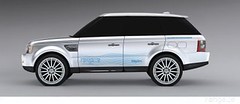
Range Rover Sport Electric is at the forefront of JLR’s EV manufacturing reset, highlighting the brand’s commitment to innovation and sustainability in the automotive sector.
Introduction to JLR’s EV Strategy
As the automotive industry shifts towards sustainable solutions, Jaguar Land Rover (JLR) is redefining its approach with the introduction of the Range Rover Sport Electric. This strategic move marks a significant milestone in JLR’s commitment to electric vehicle (EV) manufacturing, reflecting a broader trend towards electrification across the sector.
JLR aims to enhance its production capabilities while ensuring that luxury and performance remain at the forefront. The Range Rover Sport Electric is designed to showcase this balance of cutting-edge technology and high-end design, positioning JLR as a contender in the rapidly growing EV market.
Key components of JLR’s EV strategy include:
- Investment in sustainable technologies: Significant resources are allocated to develop efficient battery systems.
- Focus on performance: The new electric models aim to deliver the renowned off-road capabilities associated with the Range Rover brand.
- Expansion of electric offerings: JLR plans to broaden its electric lineup, catering to diverse consumer needs.
This transition is not merely about producing electric vehicles but also about establishing a sustainable future for the brand.
What Makes the Range Rover Sport Electric Unique?
The Range Rover Sport Electric stands out in the competitive electric vehicle market due to its innovative design and advanced technology. Land Rover has integrated a range of features that enhance both performance and sustainability.
One of the key elements that make the Range Rover Sport Electric unique is its robust powertrain, which offers impressive acceleration while maintaining efficiency. The vehicle is designed with a lightweight architecture that optimizes battery performance and driving dynamics.
Additionally, the SUV is equipped with cutting-edge connectivity options, allowing drivers to seamlessly integrate their digital lives with the vehicle. Key features include:
- Smart Navigation: Adaptive routing based on real-time traffic data.
- Advanced Driver Assistance Systems: Enhanced safety features that utilize AI to improve driving comfort.
- Eco-Friendly Materials: Sustainable sourcing of interior materials, reinforcing the brand’s commitment to the environment.
These elements collectively contribute to the Range Rover Sport Electric being a pioneering model in JLR’s electric vehicle lineup, setting new standards for luxury and performance.
Challenges in Electric Vehicle Manufacturing
The transition to electric vehicle manufacturing presents a myriad of challenges for automotive companies, particularly for established brands like JLR. As they embark on creating models like the Range Rover Sport Electric, several hurdles must be addressed.
- Supply Chain Disruptions: Fluctuations in the availability of key components, especially batteries and semiconductors, can impede production schedules.
- Technological Adaptation: Existing manufacturing processes may require significant overhauls to accommodate new electric powertrains and related technologies.
- Workforce Training: Ensuring that employees are proficient in the latest EV technologies is essential for maintaining quality and efficiency.
- Cost Management: The initial investment in electric vehicle infrastructure can be substantial, and finding a balance between cost and innovation is crucial.
As JLR navigates these challenges, the success of the Range Rover Sport Electric will serve as a significant indicator of the company’s ability to adapt and thrive in the evolving automotive landscape.
Future of Electric SUVs
The future of electric SUVs appears promising, particularly with the emergence of models like the Range Rover Sport Electric. As automotive manufacturers pivot towards electrification, the demand for sustainable and innovative vehicles is on the rise. Industry experts anticipate that the shift to electric SUVs will not only enhance performance but also redefine luxury and sustainability in the automotive sector.
Several key factors are expected to shape the future of electric SUVs:
- Advancements in Battery Technology: As battery technology continues to evolve, electric SUVs will offer longer ranges and faster charging times, making them more appealing to consumers.
- Increased Consumer Awareness: With growing environmental concerns, buyers are increasingly seeking electric options that align with their values.
- Government Incentives: Many governments are providing incentives for electric vehicle purchases, supporting the transition to electric mobility.
- Enhanced Connectivity: The integration of smart technologies will improve user experience, making electric SUVs more attractive.
As manufacturers like JLR embrace these changes, the Range Rover Sport Electric stands as a testament to the new era of electric vehicles, offering a blend of luxury, performance, and sustainability.
Consumer Expectations for EVs
As the automotive landscape shifts towards electrification, consumer expectations for electric vehicles (EVs) are evolving rapidly. Today’s buyers are not just looking for eco-friendly options; they demand performance, luxury, and advanced technology. The Range Rover Sport Electric aims to meet these diverse expectations by providing a seamless blend of power and sophistication.
Consumers are particularly interested in:
- Performance: Buyers want EVs that offer impressive acceleration and driving dynamics comparable to their gasoline counterparts.
- Range: With range anxiety being a significant concern, consumers expect electric SUVs to deliver substantial mileage on a single charge.
- Charging Infrastructure: The availability of fast charging options is crucial, as it impacts the convenience of owning an electric vehicle.
- Luxury Features: As luxury vehicle buyers, Range Rover enthusiasts expect nothing less than high-quality materials and cutting-edge technology.
For manufacturers like JLR, understanding and addressing these consumer needs is essential to successfully pivoting towards an electric future.
Conclusion: The Road Ahead for JLR
As Jaguar Land Rover (JLR) embarks on its journey towards a more sustainable future, the Range Rover Sport Electric stands as a pivotal model in their electric vehicle lineup. The transition to electric manufacturing presents both challenges and opportunities for the brand. With increasing pressure to meet environmental regulations and consumer expectations, JLR must refine its manufacturing processes to ensure efficiency and quality.
In navigating this transformative landscape, JLR is not only redefining its production capabilities but also enhancing its brand reputation. The success of the Range Rover Sport Electric could set a benchmark for future models, showcasing the potential of electric SUVs in the luxury market. Consumers are becoming more discerning, seeking vehicles that offer not only performance but also sustainability and innovation.
Looking ahead, JLR’s commitment to electrification will play a crucial role in its competitive edge. By prioritizing advancements in technology and sustainable practices, the company can ensure that it remains a leader in the automotive industry while meeting the evolving demands of eco-conscious consumers.
By Land Rover Our Planet via Openverse