








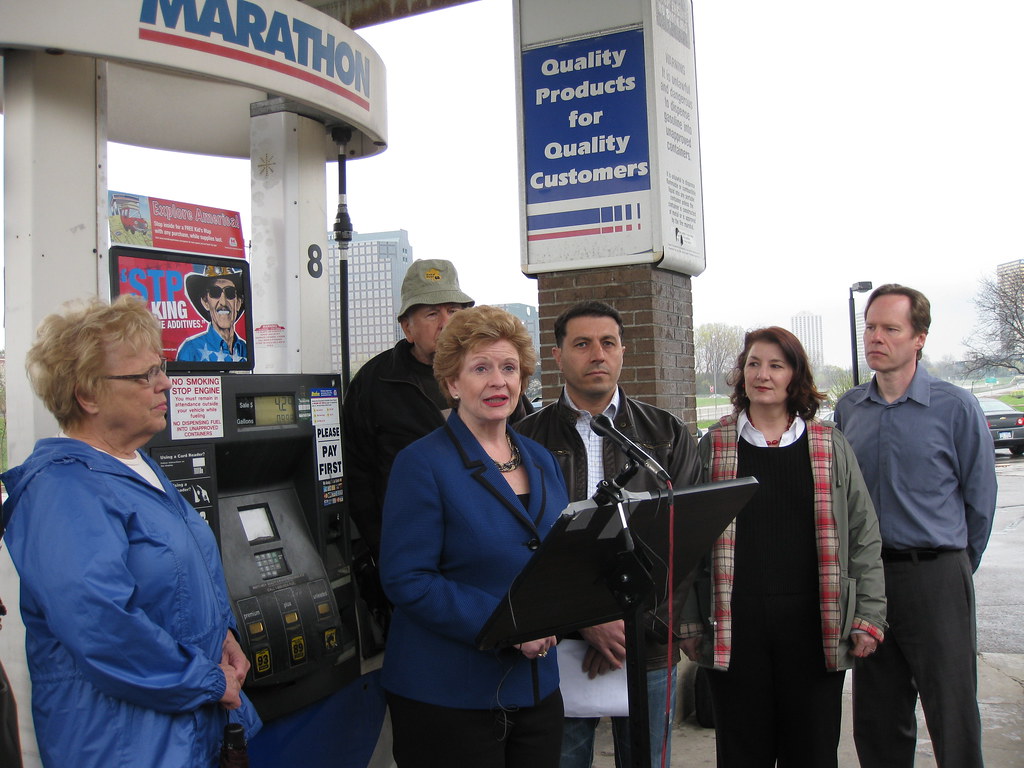
High gas prices are changing consumer behavior, leading many drivers to reconsider their choice of vehicles. As fuel costs rise, the demand for larger trucks and SUVs is declining.
The Current State of Gas Prices
The current state of gas prices has become a significant concern for many consumers and the automotive industry. With high gas prices persisting, drivers are reevaluating their vehicle choices. A recent survey indicated that over 60% of potential car buyers are now prioritizing fuel efficiency over size and power.
As a result, many are moving away from larger vehicles such as trucks and SUVs, which traditionally dominate sales in the market. Instead, compact cars and hybrids are gaining traction. This shift is not only influenced by the immediate costs of filling up at the pump but also by long-term considerations regarding fuel economy.
Industry analysts have noted that dealerships are adjusting their inventories accordingly. The demand for smaller, more efficient vehicles is pushing manufacturers to enhance their offerings in this segment. High gas prices are clearly reshaping consumer preferences, and it remains to be seen how long this trend will last.
Why Drivers Are Switching Vehicles
As high gas prices continue to strain budgets, many drivers are reassessing their vehicle choices. The rising costs at the pump have prompted a notable shift away from larger vehicles, particularly trucks and SUVs, which traditionally offer more space and power.
Several factors are driving this transition:
- Fuel Efficiency: Smaller cars and hybrids are becoming more attractive due to their superior fuel economy, helping drivers save money on gas.
- Urban Living: As more people move to urban areas, compact vehicles that are easier to park and maneuver are in higher demand.
- Environmental Concerns: An increasing awareness of environmental issues has led many consumers to consider the carbon footprint of their vehicles, favoring more eco-friendly options.
- Financial Considerations: With high gas prices expected to persist, the total cost of ownership becomes a crucial factor for many buyers.
Overall, the impact of high gas prices is reshaping the automotive market, leading to a decline in sales for larger vehicles.
Impact on Truck and SUV Manufacturers
The surge in high gas prices has sent ripples through the automotive industry, particularly affecting truck and SUV manufacturers. As consumers become increasingly price-sensitive, many are reconsidering their vehicle preferences.
Manufacturers are facing a complex challenge as they attempt to balance production with shifting consumer demand. With rising fuel costs, potential buyers are gravitating towards more fuel-efficient options. This trend poses significant implications for companies traditionally focused on larger vehicles.
Key impacts include:
- Decreased Sales: Sales figures for trucks and SUVs have started to decline, prompting manufacturers to reassess their strategies.
- Increased Investment: Many manufacturers are investing in electric and hybrid vehicle technologies to attract eco-conscious consumers.
- Market Diversification: Companies are expanding their product lines to include smaller, more efficient vehicles to cater to changing consumer preferences.
As high gas prices continue to influence buying habits, the future of truck and SUV sales looks increasingly uncertain.
Future Trends in the Auto Market
As high gas prices continue to influence consumer behavior, the auto market is poised for significant changes in the coming years. Many experts anticipate a shift towards smaller, more fuel-efficient vehicles as drivers seek to mitigate rising fuel costs. This trend may lead to a decline in demand for larger trucks and SUVs, traditionally favored for their power and capacity.
Automakers are already responding by expanding their offerings of hybrid and electric models, which promise lower operating costs and reduced environmental impact. Consumers are becoming increasingly conscious of not just the price at the pump but also the long-term savings associated with fuel-efficient vehicles.
Additionally, manufacturers may need to rethink their marketing strategies to highlight the benefits of these smaller vehicles. With ongoing fluctuations in gas prices, the future landscape of the auto market will likely reflect a more sustainable approach, favoring efficiency over sheer size.
Ultimately, the impact of high gas prices is set to reshape consumer preferences and drive innovation within the automotive industry.
By Senator Stabenow via Openverse