





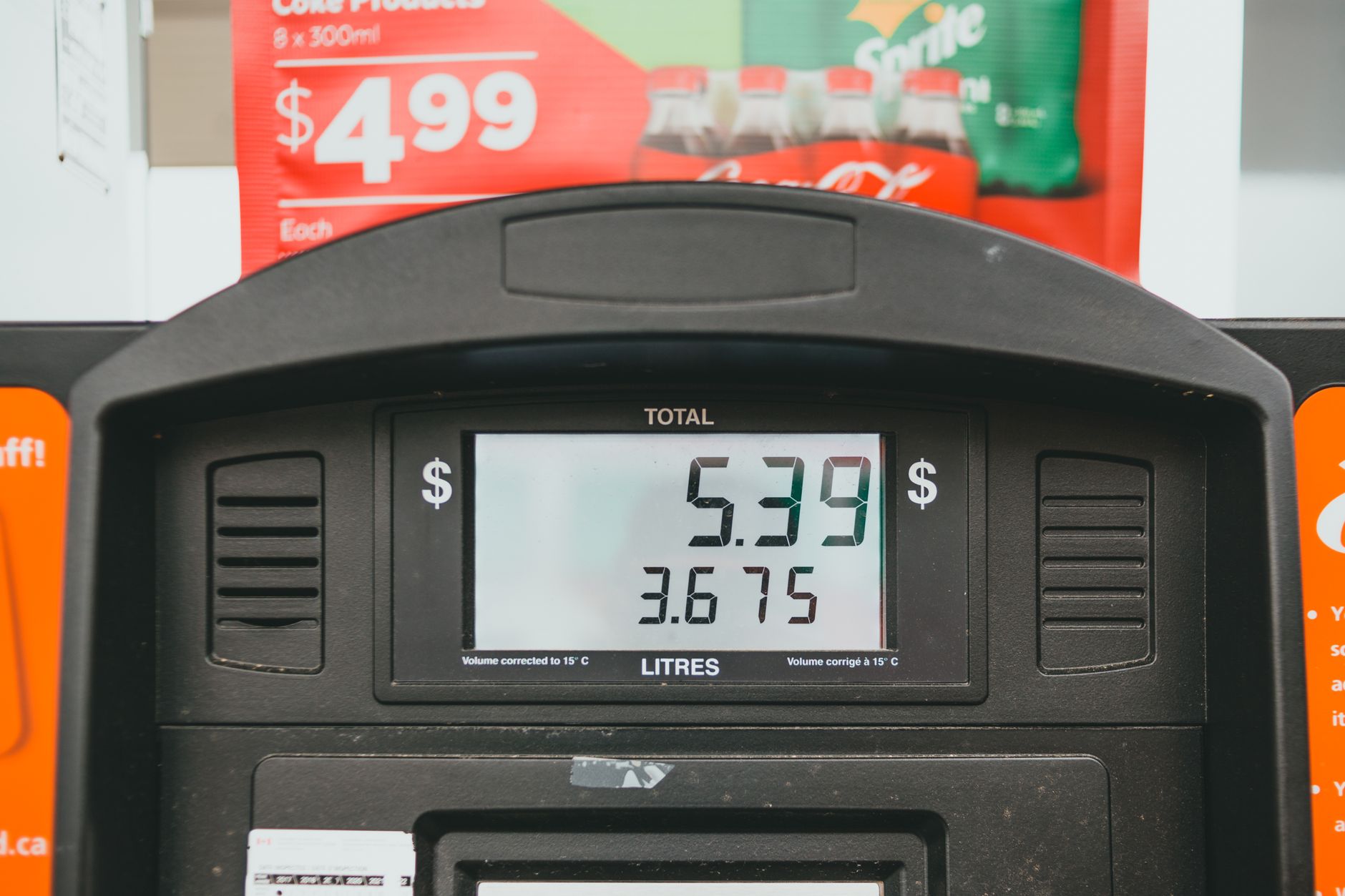
fuel prices increase significantly due to refinery outages, which are affecting supply chains and driving costs higher than crude oil prices.
Understanding the Current Fuel Price Surge
The recent surge in fuel prices has been attributed to significant refinery outages that are affecting supply chains across the country. While crude oil prices have experienced fluctuations, the impact of these outages has pushed fuel prices to new highs.
Industry experts suggest that the combination of reduced refining capacity and increased demand has created a perfect storm for consumers.
- Refinery outages: Unexpected maintenance and operational issues have led to decreased production.
- Demand surge: As travel and transportation ramp up, the need for fuel intensifies.
- Market speculation: Traders react to the news, further driving up prices.
As a result, consumers are feeling the pinch, highlighting the worst impact of refinery outages on fuel prices increase.
Factors Behind Refinery Outages
The recent surge in fuel prices can be largely attributed to a series of refinery outages. These disruptions have significant implications for the supply chain, leading to an increase in fuel prices despite the cost of crude oil remaining relatively stable. Several factors contribute to these outages:
- Maintenance Issues: Refineries often require routine maintenance, which can lead to temporary shutdowns.
- Unforeseen Repairs: Unexpected equipment failures can halt production, affecting fuel availability.
- Weather Conditions: Severe weather events can disrupt operations and transportation of crude oil to refineries.
- Market Demand: Increased demand during peak driving seasons can strain refinery capacities.
As these factors continue to impact refinery operations, consumers will likely feel the pinch of rising fuel prices increase at the pump.
Impact on Consumers and Businesses
The recent fuel prices increase has left consumers and businesses grappling with higher costs. As refineries struggle to maintain production, the ripple effects are being felt across various sectors.
Consumers are facing:
- Increased transportation costs: Higher fuel prices lead to elevated expenses for commuting and shipping goods.
- Rising grocery bills: As transportation costs rise, so do prices at the supermarket, impacting household budgets.
- General inflation: The increase in fuel prices contributes to broader inflationary pressures, affecting everyday purchases.
Businesses, especially those reliant on logistics, are forced to adjust budgets, which may lead to:
- Reduced profit margins: Companies may struggle to absorb the additional costs.
- Price increases for consumers: Ultimately, businesses may pass on costs to customers, further impacting spending habits.
Future Projections for Fuel Prices
As refinery outages continue to disrupt the supply chain, future projections for fuel prices indicate a troubling trend. Analysts suggest that the ongoing challenges in refinery operations will likely lead to a sustained increase in fuel prices, affecting both consumers and businesses alike.
Factors contributing to these projections include:
- Reduced Capacity: Many refineries are operating below full capacity due to maintenance and unexpected shutdowns.
- Increased Demand: With the economy rebounding, demand for fuel is projected to rise, further straining supply.
- Global Market Influences: Geopolitical tensions and natural disasters can exacerbate existing issues, leading to volatility in fuel prices.
In summary, without significant improvements in refinery operations, the trend of rising fuel prices is expected to persist.
The recent refinery outages have caused fuel prices increase across the nation, leaving consumers feeling the pinch at the pump. As these outages continue, experts warn that fuel prices increase could lead to broader economic challenges.
Photo by Erik Mclean on Pexels