





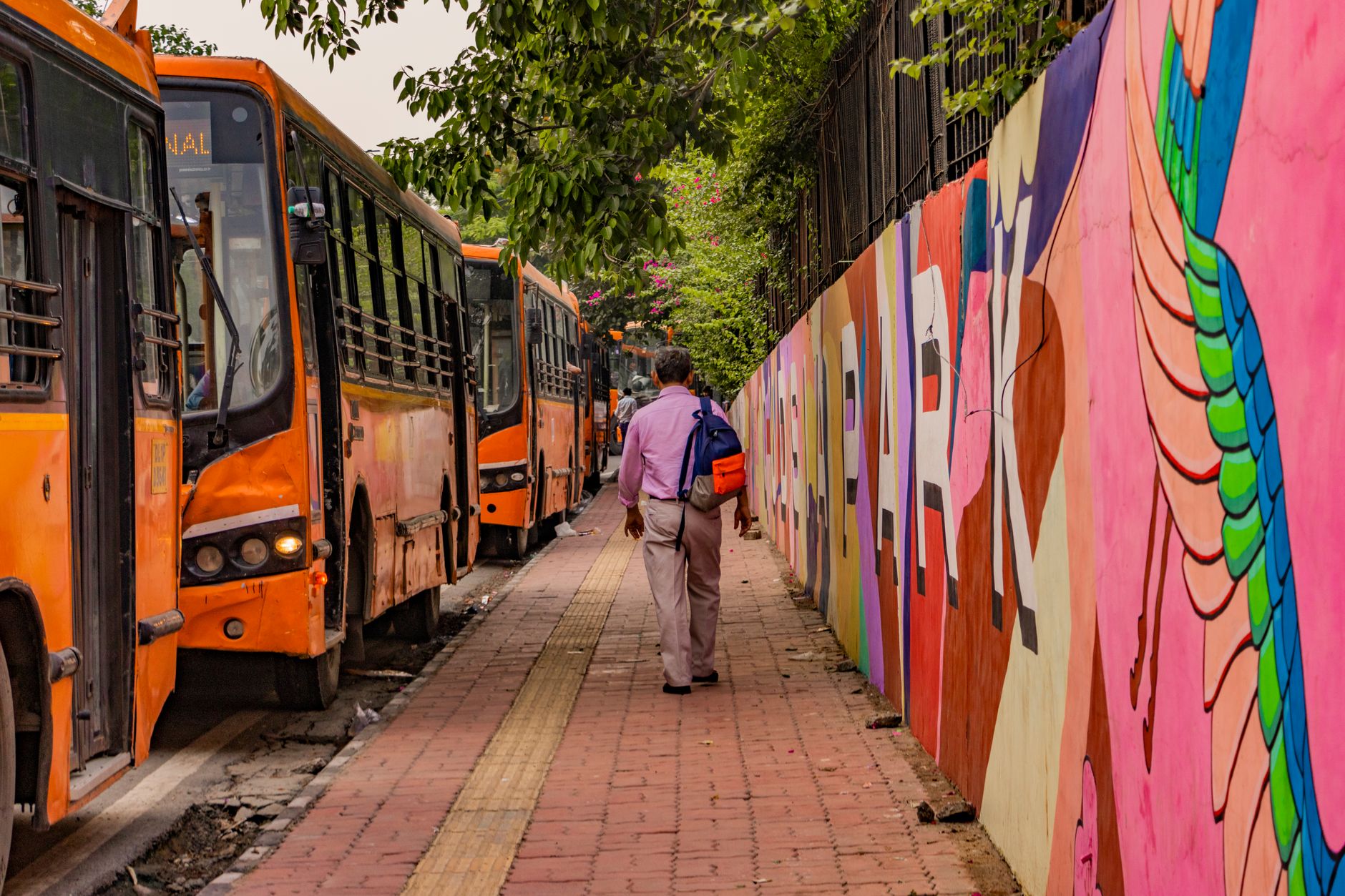
Delhi electric buses are making headlines as CM Rekha Gupta flags off 150 new electric buses, enhancing the city’s public transport system.
Introduction to Delhi’s Electric Buses
In a significant move towards sustainable transportation, Delhi has introduced 150 new electric buses, marking a pivotal step in the city’s commitment to reducing its carbon footprint. These electric buses are part of a larger initiative aimed at modernizing the public transport system while promoting eco-friendly alternatives for commuters.
The launch, officiated by Delhi Chief Minister Rekha Gupta, also included the inauguration of charging stations at four major DTC depots, ensuring that these electric buses are well-supported with the necessary infrastructure. This initiative not only enhances mobility options for residents but also contributes to cleaner air in the bustling metropolis.
The benefits of switching to electric buses are manifold:
- Environmental Impact: Electric buses produce zero tailpipe emissions, significantly reducing air pollution levels.
- Cost Efficiency: Although the initial investment is higher, electric buses are cheaper to operate and maintain over time.
- Noise Reduction: Electric buses operate more quietly than their diesel counterparts, contributing to a more peaceful urban environment.
- Job Creation: The expansion of electric bus operations is expected to create jobs in several sectors, including manufacturing and maintenance.
As Delhi continues to embrace green technology, the introduction of these electric buses represents a crucial advancement toward a more sustainable and efficient public transport system.
Impact on Public Transport
The introduction of 150 new electric buses in Delhi marks a significant step forward in enhancing public transport across the city. These eco-friendly vehicles are expected to transform the daily commute for thousands of residents.
One of the most notable impacts of the Delhi electric buses is their potential to reduce air pollution. With the increasing levels of vehicular emissions contributing to the city’s deteriorating air quality, these buses offer a cleaner alternative, utilizing electric power instead of diesel. This shift aims to create a healthier environment for all residents.
Furthermore, the deployment of these electric buses is anticipated to improve the overall efficiency of the public transport system. The DTC (Delhi Transport Corporation) has reported that these buses can operate with lower maintenance costs compared to traditional buses, making them a financially viable option in the long run.
In addition to environmental benefits, the new fleet is designed to enhance passenger comfort and experience. Equipped with modern amenities, the electric buses will provide a smoother ride for commuters. The initiative also aligns with the government’s goals of promoting sustainable transportation options.
Moreover, the establishment of charging stations at four DTC depots supports the operational needs of these buses, ensuring they remain functional and accessible for daily use. As Delhi strives to modernize its public transport, the introduction of these electric buses is a promising advancement.
Charging Stations at DTC Depots
The introduction of charging stations at four DTC depots marks a significant milestone in the deployment of Delhi electric buses. These facilities are designed to support the newly launched fleet of 150 electric buses, ensuring they remain operational and efficient across the city.
Each charging station is equipped with advanced technology that allows for rapid charging of electric buses, minimizing downtime and enhancing service frequency. This initiative not only enhances the operational capabilities of the electric bus fleet but also contributes to a cleaner and more sustainable public transport system.
Moreover, the strategic placement of these charging stations is crucial for the seamless integration of electric buses into Delhi’s extensive transit network. The DTC has committed to maintaining these stations to ensure that all electric buses are charged and ready for service at all times.
In addition to improving the logistics of bus operations, the charging stations also serve as a testament to the commitment of the Delhi government toward reducing carbon emissions and promoting green energy solutions. As electric buses continue to gain traction, these charging stations will play a vital role in supporting the city’s ambitious goals for sustainable public transport.
With the successful launch of these facilities, Delhi is taking substantial steps toward becoming a model for other cities looking to embrace electric mobility and reduce their environmental footprint.
Benefits of Electric Buses
The introduction of Delhi electric buses marks a significant step towards enhancing urban mobility while prioritizing environmental sustainability. These buses provide numerous benefits that contribute to the overall improvement of public transport in the city.
- Reduced Emissions: One of the most notable advantages of electric buses is their ability to reduce greenhouse gas emissions. By replacing diesel-powered vehicles, these electric buses contribute to cleaner air and a healthier environment.
- Cost Efficiency: Over time, electric buses can lead to significant savings on fuel and maintenance costs. With fewer moving parts compared to traditional buses, the maintenance requirements are lower, making them a cost-effective choice for public transportation.
- Noise Reduction: Electric buses operate quietly, which helps reduce noise pollution in urban areas. This is particularly beneficial in densely populated neighborhoods where noise can be a major concern.
- Improved Passenger Experience: With features like air conditioning, spacious seating, and a smoother ride, electric buses enhance the comfort of passengers. These improvements can lead to increased ridership and a better public transport experience overall.
- Job Creation: The expansion of electric bus services necessitates new jobs in various sectors, including manufacturing, maintenance, and charging infrastructure development.
Together, these benefits illustrate why the introduction of Delhi electric buses is a progressive move towards a sustainable urban future.
Government Initiatives for EVs
The Delhi government has taken significant steps to promote electric vehicles as part of its commitment to sustainable transportation. The recent launch of 150 new Delhi electric buses marks a pivotal moment in this initiative, aiming to reduce the city’s carbon footprint and enhance public transport efficiency.
Key initiatives include:
- Financial Incentives: The government offers subsidies and tax exemptions for electric vehicle purchases, making it easier for citizens to transition from traditional vehicles to electric ones.
- Infrastructure Development: The establishment of charging stations across the city, particularly at four DTC depots, facilitates the seamless operation of electric buses, ensuring they remain charged and ready for service.
- Public Awareness Campaigns: The government is actively educating the public about the benefits of electric buses, emphasizing their role in reducing air pollution and promoting cleaner urban environments.
- Partnerships with Manufacturers: Collaborations with electric vehicle manufacturers are being strengthened to ensure that the city has access to the latest technology and innovations in electric mobility.
These initiatives are part of a broader strategy to establish Delhi as a leader in electric mobility, showcasing the potential of electric buses to transform urban transport and improve the quality of life for its residents.
Future of Electric Transportation
The future of electric transportation in Delhi is looking promising with the introduction of the new fleet of electric buses. As cities around the world strive for sustainable solutions, Delhi’s electric buses are a significant step towards reducing pollution and enhancing public transport efficiency.
Delhi’s electric buses are equipped with cutting-edge technology that not only provides a smooth ride but also contributes to a cleaner environment. The government is pushing for a more extensive adoption of electric vehicles (EVs), aiming to transform the capital into a model for urban transport in India.
Key factors driving the future of electric transportation include:
- Environmental Benefits: The reduction in greenhouse gas emissions plays a crucial role in combatting climate change.
- Cost Efficiency: Operating electric buses can lower fuel and maintenance costs, making them an economically viable option for public transport systems.
- Technological Advancements: Continuous improvements in battery technology and charging infrastructure are enabling longer routes and shorter downtime.
- Government Support: Initiatives and incentives offered by the government encourage more investments in electric vehicles.
As Delhi expands its electric bus fleet, the city is setting a precedent for other metropolitan areas in India to follow, paving the way for a sustainable future in public transportation.
Public Response to New Buses
The recent launch of 150 new electric buses in Delhi has garnered significant public attention and enthusiasm. Residents are expressing their thoughts on the initiative, highlighting the potential transformation in the city’s public transport system.
Many commuters have welcomed the introduction of these Delhi electric buses, citing benefits such as reduced air pollution and a quieter travel experience. A survey conducted among daily bus users revealed:
- 70% believe that electric buses will significantly improve air quality in the capital.
- 65% reported feeling more comfortable using public transport knowing it is environmentally friendly.
- 80% expressed optimism about the overall modernization of the public transport system with the introduction of electric vehicles.
Moreover, local residents have taken to social media to share their experiences. Many have posted pictures of the new buses, praising their modern design and features. Comments on these posts frequently highlight the importance of sustainable transportation options in combating climate change.
Some community leaders have also voiced their support, emphasizing the necessity of maintaining these electric buses and ensuring they operate efficiently. As the city prepares for a greener future, it is clear that public sentiment is leaning towards a more sustainable approach to transportation, making the new electric buses a timely and much-needed addition to Delhi’s transit landscape.
Conclusion and Next Steps
As Delhi continues to embrace sustainable transportation, the introduction of 150 new electric buses marks a significant step towards a cleaner and more efficient public transport system. These buses not only reduce air pollution but also enhance the overall travel experience for commuters. The positive response from the public underscores the growing acceptance and enthusiasm for electric mobility in the capital.
The Delhi electric buses initiative aligns with the government’s broader goals of reducing carbon emissions and promoting renewable energy sources. With the establishment of charging stations at four DTC depots, the infrastructure needed to support this transition is actively being developed. This will ensure that the new fleet remains operational and efficient, thereby maximizing the benefits of electric transportation.
Moving forward, it is essential for the government and transport authorities to monitor the performance of these electric buses closely. Regular assessments will help identify any operational challenges and allow for timely interventions. Furthermore, expanding the fleet and integrating more charging stations across the city will be crucial in fostering a comprehensive electric vehicle ecosystem.
In conclusion, the deployment of Delhi electric buses is just the beginning. As the city works towards a sustainable future, continued investment in electric transport, public engagement, and policy support will be vital. This initiative not only serves the immediate needs of the population but also sets a precedent for other cities aiming to reduce their environmental impact.
The introduction of Delhi electric buses has significantly improved air quality in the city. With the addition of 150 new buses, Delhi electric buses are becoming a crucial part of the public transportation system.
Photo by Shantum Singh on Pexels