


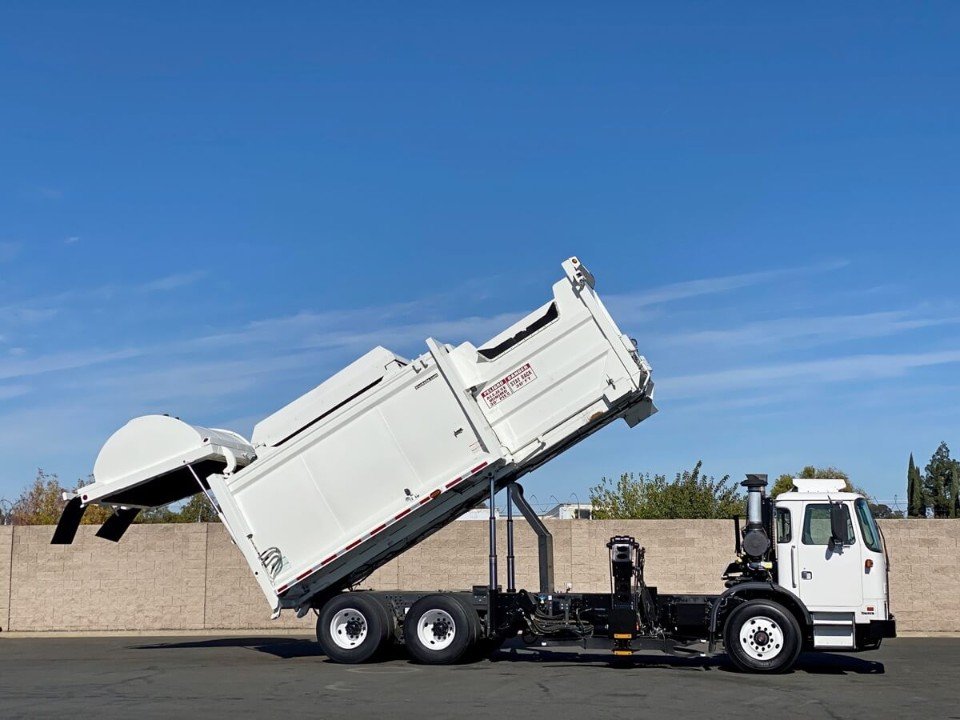
Modern waste collection requires vehicles that can handle demanding routes, support worker safety, and maintain dependable service schedules. As communities grow and collection needs change, waste management companies must evaluate equipment that fits their operating conditions. Residential routes may involve narrow streets, crowded curbs, different cart sizes, and changing volumes of refuse.
McNeilus side loaders are designed to support residential collection through a range of automated and manual/automated configurations. Their role in a modern fleet depends on selecting the appropriate equipment, maintaining it properly, and organizing routes around its capabilities. For municipalities and private haulers, these decisions can influence productivity, operating costs, and service reliability.
Why Side Loaders Matter in Residential Collection
Residential waste collection involves repeated stops throughout neighborhoods and housing communities. Traditionally, some collection methods require workers to leave the vehicle and handle containers manually. Side loaders can reduce the need for repeated manual handling when compatible carts are collected using a mechanical arm.
The truck approaches a suitable container, positions the lifting equipment, and transfers the waste into the body according to the manufacturer’s operating procedure. This process can help standardize routine pickups and support consistent route operations.
However, the benefits depend on the environment. Carts must be accessible, compatible with the equipment, and positioned within its operating range. Parked cars, narrow streets, obstructed containers, and unsafe traffic conditions can still create challenges.
Automated Collection and Fleet Productivity
Automation has become an important consideration for waste management fleets. Automated lifting can reduce repetitive manual tasks and help drivers complete standard cart collections through a consistent process.
McNeilus offers side loader configurations including Zero Radius and AutoReach, along with a Manual/Automated model. Each option addresses different operational needs. Zero Radius is designed to help with limited clearance, AutoReach provides a different approach to reaching containers, and Manual/Automated offers flexibility for certain additional materials.
When evaluating McNeilus side loaders, fleet managers should consider how much of their route involves compatible carts and whether the selected design suits the area’s physical conditions.
Automation should be viewed as part of a complete collection strategy. Route planning, customer instructions, vehicle maintenance, and driver training remain necessary for effective operation.
Maneuverability on Challenging Streets
Not every residential route provides generous space for collection vehicles. Narrow streets, cul-de-sacs, alleys, and parked vehicles may restrict the truck’s approach to a container. These challenges can slow collection or make a pickup unsuitable under certain conditions.
The McNeilus Zero Radius side loader is designed to help address restricted clearance through an arm that reaches toward the cart. AutoReach features an arm designed to reach outward and side-to-side. These different approaches give fleet operators options to evaluate against the challenges found on their routes.
Managers should review actual route locations before choosing a model. Vehicle dimensions, turning space, cart placement, overhead clearance, and safe operating distances all matter. No lifting system removes the need for careful positioning and adherence to safety procedures.
Flexibility for Different Collection Conditions
Residential collection routes do not always involve standard carts alone. Crews may encounter additional materials or unusual collection circumstances that require a different handling method.
The McNeilus Manual/Automated side loader combines an automated arm with a manual loading arrangement. This can provide flexibility where the collection policy and operating procedures permit manual handling of certain extra materials.
The decision to use this configuration should reflect the route’s real requirements. Fleet managers need to consider how often manual loading occurs, what types of materials are accepted, and which safety measures are required. Employees should receive appropriate instruction and follow safe handling procedures.
Safety as a Core Part of Modern Collection
Waste collection trucks operate near pedestrians, cyclists, parked vehicles, and other road users. Operators must remain alert while positioning the vehicle and using lifting equipment. Safe collection depends on appropriate training, visibility, equipment condition, and clear operating procedures.
Automated side loaders may reduce the frequency with which drivers need to exit the cab for compatible pickups. Nevertheless, drivers must monitor their surroundings and stop when conditions are unsafe. They should also understand the equipment’s limits and know how to respond to warning indicators or abnormal operation.
Fleet managers can support safety through model-specific training, pre-trip inspections, incident reporting, and regular review of collection procedures. Safety should never be sacrificed to complete a route more quickly.
Technology and Diagnostics
Modern refuse trucks may include electronic controls and diagnostic functions to assist with operation and maintenance. Some McNeilus side loader configurations offer McNeilus CODE controls, while CartSeeker curbside automation is available in supported configurations.
Cart-recognition technology is designed to identify and align with carts and assist with automated pickup. The features available depend on the selected equipment, so buyers should confirm the exact specification with the supplier.
Technology can help support consistent operations and troubleshooting, but it does not replace trained operators or qualified technicians. Fleet managers should consider how the available technology fits their routes, training plans, maintenance resources, and budget.
Maintenance and Long-Term Reliability
Reliable collection depends on trucks being available when routes begin. Side loaders operate through repeated lifting and packing cycles, so hydraulic systems, arms, packing equipment, controls, tires, brakes, and other components require appropriate maintenance.
Preventive maintenance should follow the manufacturer’s recommendations and reflect the truck’s operating conditions. Drivers should report leaks, unusual noises, inconsistent arm movement, warning messages, and visible damage. Maintenance teams should document repairs and investigate recurring issues.
Parts access is also important. A repair may take longer if the required component is difficult to identify or obtain. Fleet operators should understand the support available for their truck before a problem occurs.
Atlantic Heavy Duty provides information about McNeilus side loaders and parts support for refuse vehicles, including access to parts specialists. Buyers should confirm service availability and parts support for their specific configuration and operating area.
Considering Electric Collection Vehicles
Electric refuse trucks are another consideration for fleets planning for the future. McNeilus offers the Volterra ZSL electric side loader, which combines an electric drivetrain with side-loading collection equipment. The manufacturer’s listed configurations include 27- and 31-cubic-yard body capacities.
Electric vehicles may suit certain operations, but they require careful evaluation. Route length, charging infrastructure, vehicle utilization, payload requirements, service support, and total ownership costs all influence whether an electric truck is practical.
Fleet managers should compare electric options with their current operating needs and verify specifications before making a purchase decision.
Choosing Equipment With Long-Term Goals in Mind
The best truck for a fleet is one that matches the work today while remaining practical for expected future needs. Managers should consider population growth, collection policy, cart standards, route changes, maintenance budgets, and operator training.
They should also compare initial price with the broader cost of ownership. Vehicle availability, service requirements, parts access, and route efficiency can all affect the long-term value of a refuse truck.
Atlantic Heavy Duty can help prospective buyers review McNeilus side loader configurations and explore available options. Careful evaluation before purchase can help prevent mismatches between equipment and collection requirements.
Conclusion
McNeilus side loaders play an important role in residential waste collection by providing different approaches to automated and manual/automated cart handling. Features such as specialized arm designs and available diagnostic or automation technology can support fleet operations when they suit the route and are used correctly.
Long-term success still depends on careful route planning, trained operators, preventive maintenance, and access to appropriate service support. By evaluating their requirements and working with resources such as Atlantic Heavy Duty, waste management companies can choose equipment that supports dependable collection and responsible fleet management.