




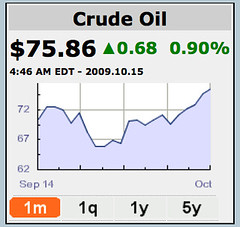
Oil prices rise as concerns about Middle East supply continue to impact the market. This trend raises questions about future costs for consumers and businesses alike.
Understanding the Factors Behind Oil Price Increases
The recent surge in oil prices can be attributed to a combination of geopolitical tensions and market dynamics. As the situation in the Middle East continues to evolve, supply concerns have heightened, leading to fluctuations in oil prices.
Several key factors are influencing this upward trend:
- Geopolitical tensions: Ongoing conflicts in oil-producing regions create uncertainty in supply, prompting traders to react swiftly.
- Production cuts: Decisions by major oil-producing nations to limit output have tightened the market, driving prices higher.
- Increased demand: As economies recover from the pandemic, the demand for oil has surged, further straining available supply.
- Speculation: Traders’ sentiments and speculation about future price movements can lead to rapid changes, exacerbating price increases.
As these factors intertwine, oil prices rise not just in response to immediate news but also based on broader market trends. The implications for consumers are significant, as higher oil prices generally lead to increased costs for gasoline and other products, ultimately impacting household budgets. Understanding these influences is crucial for anticipating how changes in the oil market may affect personal finances.
The Role of Middle East Supply in Global Markets
The recent rise in oil prices can be largely attributed to ongoing supply concerns in the Middle East. This region plays a critical role in global oil markets, supplying a significant portion of the world’s crude oil. As tensions rise or geopolitical events unfold, the stability of these supplies comes into question, leading to fluctuations in oil prices.
Several factors contribute to the sensitivity of oil prices to Middle East supply issues:
- Geopolitical Tensions: Conflicts or political instability can disrupt production and transportation, causing immediate reactions in the market.
- OPEC Decisions: The Organization of the Petroleum Exporting Countries, which includes several Middle Eastern nations, can influence supply levels through production cuts or increases.
- Natural Disasters: Events like earthquakes or hurricanes can affect oil infrastructure, further complicating supply chains.
As oil prices rise, consumers may feel the effects at the pump and in their daily lives. Higher fuel costs can lead to increased prices for goods and services, impacting household budgets. Understanding the role of Middle East supply in these dynamics is crucial for anticipating future changes in oil prices and their implications for your wallet.
How Rising Oil Prices Affect Consumers
The recent surge in oil prices rise has significant implications for consumers, affecting everything from transportation costs to household budgets. As oil becomes more expensive, the immediate impact is felt at the gas pump. Drivers may notice an increase in fuel prices, leading to higher expenses for commuting and travel.
Moreover, rising oil prices can lead to an uptick in the costs of goods and services. Many products rely on oil for transportation or production, meaning that manufacturers often pass on increased shipping costs to consumers. This can result in higher prices for everyday items, from groceries to electronics.
Additionally, as consumers adjust to these rising costs, discretionary spending may decrease. Households facing tighter budgets may prioritize essential expenses, impacting local businesses that rely on consumer spending.
In summary, the effects of rising oil prices extend beyond fuel costs and enter the realm of broader economic implications. Understanding how these shifts in oil prices rise can help consumers prepare for potential financial adjustments in the near future.
- Increased fuel prices at gas stations
- Higher costs for goods and services
- Reduced discretionary spending
Future Predictions for Oil Prices
As global markets react to ongoing geopolitical tensions, analysts are predicting a continued rise in oil prices in the coming months. With the Middle East remaining a critical hub for oil production, any disruption in this region can lead to significant fluctuations in the market. Experts suggest that if current conditions persist, consumers may see prices at the pump rise further.
Future predictions indicate that several factors will influence oil prices:
- Geopolitical Tensions: Continued instability in oil-producing countries could exacerbate supply shortages.
- Demand Recovery: As economies recover from the pandemic, increased demand for energy may drive prices higher.
- OPEC Decisions: Decisions made by the Organization of the Petroleum Exporting Countries (OPEC) regarding production cuts or increases will play a crucial role.
- Alternative Energy Sources: The transition to renewable energy may slow oil price rises but will take time to implement widely.
In summary, with oil prices rise becoming a recurring theme in the news, consumers should prepare for potential increases in their fuel costs, impacting budgets and spending habits in the near future.
Expert Opinions on Current Trends
Industry experts are sounding alarms regarding the ongoing trend of rising oil prices and its implications for the global economy. According to Dr. Emily Roberts, a leading economist, “The recent surge in oil prices is primarily driven by geopolitical tensions in the Middle East, which continue to disrupt supply chains.” She emphasizes that these fluctuations not only affect market stability but also directly impact consumer spending.
Furthermore, John Smith, an oil market analyst, notes, “As oil prices rise, we can expect increased production costs across various sectors, particularly transportation and manufacturing.” This uptick in expenses inevitably leads to higher prices for goods and services, leaving consumers to bear the brunt of these changes.
Experts predict that if the current trends persist, we may see a prolonged period of elevated oil prices. This could result in significant shifts in consumer behavior, as families and businesses may need to adjust their budgets to accommodate rising fuel costs.
In conclusion, the consensus among analysts is clear: the rise in oil prices will not only affect markets but will have a tangible impact on your wallet as well, making it essential for consumers to stay informed about these developments.
As oil prices rise, consumers may notice increased costs at the pump and higher prices for goods that rely on transportation. This trend indicates that when oil prices rise, it can significantly affect household budgets and spending habits.
By Stacy Herbert via Openverse
References
reuters.com · Oil price crisis
Related stories
OPPO K14 Plus: The Best Smartphone with Proven Features · Omoda Canada launch: The Best EV Lineup Confirmed · Bond Sell-Off: The Worst Impact on Financial Markets Today