




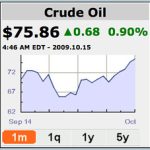
The bond sell-off is intensifying as rising oil prices create uncertainty in the financial landscape. Investors are closely monitoring these developments, which could have far-reaching implications for the economy.
Understanding the Bond Sell-Off
The recent bond sell-off has sent shockwaves through financial markets, leaving investors on edge. As oil prices continue to rise, concerns about inflation have deepened, prompting a significant retreat from bonds. This trend is characterized by:
- Increased Yield Rates: Investors are demanding higher yields as they reassess risks associated with rising inflation.
- Market Volatility: The shift away from bonds has led to increased volatility in stock markets, exacerbating investor anxiety.
- Impact on Borrowing Costs: Higher bond yields could lead to increased borrowing costs for consumers and businesses.
As the bond sell-off continues, analysts are urging caution, warning that the implications could be long-lasting for both individual investors and the broader economy.
Impact of Rising Oil Prices
The recent bond sell-off has been exacerbated by soaring oil prices, which have raised concerns about inflation and economic stability. Investors are increasingly wary as the cost of crude oil climbs, leading to a ripple effect across financial markets.
Several factors contribute to this unsettling trend:
- Inflation Fears: Rising oil prices often lead to higher transportation and production costs, fueling inflation.
- Interest Rate Hikes: Central banks may respond to inflation by increasing interest rates, impacting bond prices negatively.
- Market Volatility: As oil prices fluctuate, investor sentiment remains shaky, prompting further sell-offs in bonds.
As the bond sell-off deepens, market participants are closely monitoring oil price movements to gauge their potential impact on economic growth and investment strategies.
Investor Reactions to Market Changes
As the bond sell-off continues to deepen amidst rising oil prices, investors are expressing growing concerns about the stability of financial markets. Many are reevaluating their portfolios in light of recent developments.
Some key reactions from investors include:
- Increased volatility: Investors are bracing for erratic market behavior as bond yields rise and prices fall.
- Flight to safety: There is a noticeable shift towards safer assets, such as gold and cash, as uncertainties loom.
- Sector shifts: Funds are being redirected from sectors hit hardest by the bond sell-off to those considered more resilient.
Experts suggest that these reactions may further exacerbate the volatility in the markets, making it crucial for investors to stay informed and agile.
Future Outlook for Financial Markets
The future outlook for financial markets remains uncertain as the bond sell-off continues to deepen amidst rising oil prices. Investors are closely monitoring several key indicators that could influence market stability.
Analysts suggest that the ongoing bond sell-off may lead to:
- Increased volatility: As yields rise, stock markets could experience heightened fluctuations.
- Sector shifts: Certain sectors, particularly energy and utilities, may face pressure while others could benefit from the changing landscape.
- Interest rate hikes: Central banks may respond to inflationary pressures by tightening monetary policy, which could further exacerbate market conditions.
In this environment, investors are advised to remain vigilant and consider diversifying their portfolios to mitigate risks associated with the bond sell-off.
Sources
Related stories
Tata Aeris features: The Best Smart Overview of Specs · Is the Chery Exeed EX6 Facelift the Best Upgrade Yet? · New Car Launches: Best Upcoming Models You Can’t Miss