







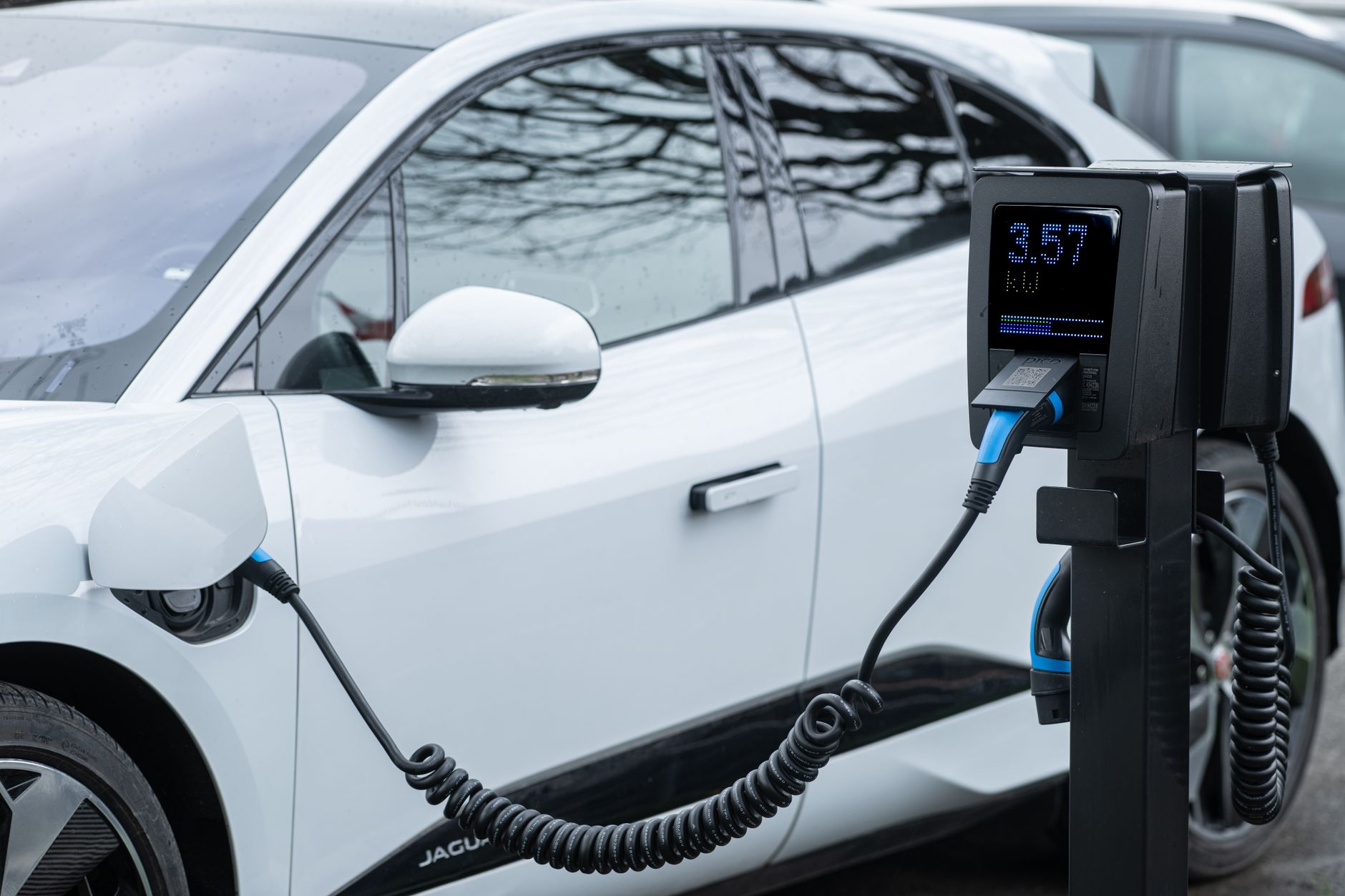
Bangladesh EV battery hazard is becoming a significant concern as the country pushes towards a greener future. The potential risks associated with battery technology could impact the EV dream.
Understanding the EV Landscape in Bangladesh
The electric vehicle (EV) market in Bangladesh is rapidly evolving, with increasing investments and interest from both consumers and manufacturers. As the country aims to reduce its carbon footprint and promote sustainable transportation, the adoption of EVs has gained momentum. However, this growing trend brings with it significant challenges, particularly in terms of safety and environmental impact.
One of the most pressing issues is the hazard associated with EV batteries. These batteries, while essential for the operation of electric vehicles, pose serious risks if not managed properly. The potential for battery fires, chemical leaks, and improper disposal can lead to hazardous situations that compromise public safety and environmental integrity.
To address these concerns, various stakeholders in the Bangladeshi EV landscape are focusing on:
- Regulatory Framework: Implementing safety standards and regulations for battery production and disposal.
- Public Awareness: Educating consumers about the proper handling and maintenance of EVs.
- Technological Innovations: Investing in research to develop safer battery technologies.
As Bangladesh strives to realize its EV dream, it must prioritize addressing these battery hazards to ensure a safe and sustainable transition to electric mobility.
The Role of Batteries in Electric Vehicles
The role of batteries in electric vehicles (EVs) is crucial, as they serve as the primary source of energy that powers these innovative modes of transportation. In Bangladesh, the surge in popularity of EVs has prompted a significant increase in battery usage. However, this rapid adoption brings with it serious safety concerns, particularly regarding the Bangladesh EV battery hazard.
Electric vehicle batteries, typically lithium-ion, are designed to store and release energy efficiently. Their performance directly affects the range, charging times, and overall user experience of EVs. Yet, the growing demand for these batteries has not been met with adequate safety regulations or infrastructure in Bangladesh.
Several issues have been identified as potential hazards:
- Quality Control: Many batteries entering the market lack proper quality assurance, leading to risks of overheating and explosions.
- Improper Disposal: The disposal of used batteries poses environmental risks, as toxic materials can leak into the ecosystem.
- Charging Infrastructure: Insufficiently designed charging stations may expose batteries to extreme conditions, increasing the likelihood of malfunctions.
As Bangladesh strives to embrace the future of transportation, addressing these battery hazards is essential to ensure the safety of users and the sustainability of the EV market.
Current Battery Technology Risks
As Bangladesh accelerates its move towards electric vehicles (EVs), the risks associated with current battery technology have come to the forefront. The increasing reliance on lithium-ion batteries, while essential for EV performance, raises significant safety concerns.
Experts highlight several key risks linked to these batteries:
- Thermal Runaway: Lithium-ion batteries can overheat, leading to fires or explosions if not properly managed.
- Short Circuits: Poor manufacturing quality or mishandling can result in short circuits, which pose an immediate danger.
- Environmental Hazards: Improper disposal of batteries can lead to toxic leaks, contaminating soil and water sources.
- Lack of Infrastructure: Bangladesh’s current infrastructure is not equipped to handle the safe charging and disposal of EV batteries, exacerbating the hazards.
Furthermore, consumers are often unaware of the proper safety protocols needed when using or maintaining EV batteries. Bangladesh EV battery hazard is a pressing issue that cannot be overlooked, as it threatens not only the safety of EV users but also hampers the broader acceptance of electric vehicles in the country.
As stakeholders push for a greener future, addressing these battery-related safety concerns is crucial to ensure a successful transition to electric mobility.
Government Regulations on EV Safety
The rapid growth of the electric vehicle (EV) market in Bangladesh has prompted government officials to address safety concerns related to battery technology. The rise of EVs brings with it significant challenges, particularly in ensuring the safety of the batteries that power these vehicles. Recently, authorities have acknowledged the potential risks associated with battery hazards, urging for stricter regulations.
In response to these challenges, the government has proposed a series of regulations aimed at enhancing safety standards for EV batteries. These regulations include:
- Mandatory Safety Testing: All EV batteries will undergo rigorous testing to identify potential hazards before they can be sold in the market.
- Standardized Manufacturing Practices: Manufacturers will be required to adhere to specific guidelines to ensure the quality and safety of batteries produced.
- Recycling and Disposal Protocols: To mitigate environmental risks, the government is working on establishing clear protocols for the recycling and disposal of old or damaged batteries.
- Public Awareness Campaigns: Initiatives to educate consumers about the safe use and maintenance of EV batteries are being planned.
The focus on regulations comes as the Bangladesh EV battery hazard poses serious safety concerns, emphasizing the need for proactive measures to protect both consumers and the environment. By implementing these regulations, the government aims to foster a safer and more sustainable EV ecosystem.
Consumer Awareness and Education
As the electric vehicle (EV) market in Bangladesh continues to grow, consumer awareness and education regarding the potential hazards associated with EV batteries are becoming increasingly vital. Many consumers are still unfamiliar with the specific risks tied to battery technology, which can lead to unsafe practices and increased dangers.
Experts highlight the importance of informing the public about the following key aspects:
- Battery Maintenance: Proper maintenance of EV batteries can significantly reduce the risk of hazards. Consumers should be educated on how to care for their batteries to prevent overheating and other potential issues.
- Safe Disposal: Many consumers are unaware of the proper disposal methods for used batteries. Educating the public on how to safely dispose of or recycle batteries is crucial to minimize environmental impact and health risks.
- Recognizing Warning Signs: It is essential for consumers to be able to identify warning signs that indicate battery malfunction, such as unusual noises, swelling, or leaks. This knowledge can prevent dangerous situations.
- Emergency Procedures: In case of battery-related incidents, knowing the correct emergency procedures can save lives. Training sessions and informational campaigns should be implemented to prepare consumers.
Ultimately, addressing the Bangladesh EV battery hazard requires a proactive approach to consumer education, ensuring that individuals are informed and prepared to handle the risks associated with electric vehicle batteries.
Future of EVs in Bangladesh
The future of electric vehicles (EVs) in Bangladesh hinges on addressing the critical safety concerns surrounding battery technology. As more consumers show interest in adopting EVs, the potential hazards associated with EV batteries cannot be overlooked. A robust framework for battery safety is essential to ensure public confidence in this emerging market.
Industry experts emphasize that the successful integration of EVs into Bangladesh’s transportation system depends on several factors:
- Technological Advancements: Continuous innovation in battery technology can mitigate risks and enhance performance.
- Safety Protocols: Establishing stringent safety standards for battery manufacturing and disposal is crucial to prevent hazards.
- Infrastructure Development: Investing in proper charging infrastructure will also help alleviate concerns about battery management and longevity.
- Public Awareness: Educating consumers on safe battery use and maintenance can further reduce risks associated with EV battery hazards.
As Bangladesh strives to become a leader in the EV market, addressing the EV battery hazard is of utmost importance. The government, manufacturers, and consumers must collaborate to create a safe and sustainable ecosystem. Without proactive measures, the dream of a greener transportation future may be jeopardized, hindering progress in the EV sector.
Innovations in Battery Technology
As Bangladesh strives to become a key player in the electric vehicle (EV) market, innovations in battery technology are crucial to address the Bangladesh EV battery hazard that threatens both consumer safety and environmental sustainability. Recent advancements in battery chemistry, such as solid-state batteries and lithium-sulfur cells, promise higher energy density and improved safety profiles, reducing the risk of fires and explosions associated with traditional lithium-ion batteries.
Moreover, researchers are exploring alternative materials that not only enhance performance but also minimize environmental impact. For instance, the development of sodium-ion batteries offers a potentially safer and more sustainable option due to the abundance and lower cost of sodium compared to lithium.
In addition to material innovations, smart battery management systems (BMS) are being integrated into EVs to monitor battery health and performance in real-time. These systems can effectively mitigate risks by detecting anomalies early and regulating charging cycles, thereby prolonging battery life and enhancing safety.
To further bolster safety, collaboration between manufacturers, government entities, and research institutions is essential. Together, they can establish industry standards and best practices that prioritize consumer safety while fostering innovation in battery technology. As Bangladesh advances its EV ambitions, addressing the potential hazards associated with EV batteries will be paramount to gaining consumer trust and ensuring a sustainable future.
Addressing Safety Concerns in EVs
As Bangladesh embraces the electric vehicle (EV) revolution, addressing safety concerns related to EV battery hazards becomes paramount. These hazards not only threaten consumer safety but also pose significant risks to the broader community. To mitigate these risks, several strategies are being implemented.
- Enhanced Regulations: The government is working to strengthen regulations surrounding battery manufacturing and disposal, ensuring that standards are met to prevent accidents.
- Safety Training: Manufacturers are encouraged to provide safety training for technicians and consumers alike, emphasizing the importance of proper handling and maintenance of EV batteries.
- Public Awareness Campaigns: Increasing awareness among the public regarding the potential risks associated with EV battery hazards is essential. Campaigns focusing on safe usage and disposal can help prevent mishaps.
- Research and Development: Investing in R&D can lead to the development of safer battery technologies that are less prone to failures and accidents.
- Collaboration with Experts: Collaboration with international organizations can bring in expertise and best practices to enhance safety measures in the local EV industry.
By addressing these concerns proactively, Bangladesh can work towards a safer transition to electric mobility, ensuring that the benefits of EVs do not come at the cost of safety, particularly concerning EV battery hazards.
The increasing prevalence of electric vehicles in the country has brought to light the critical issue of the Bangladesh EV battery hazard. Experts warn that without proper regulations and safety measures, the Bangladesh EV battery hazard could lead to significant environmental and health risks.
Photo by smart-me AG on Pexels